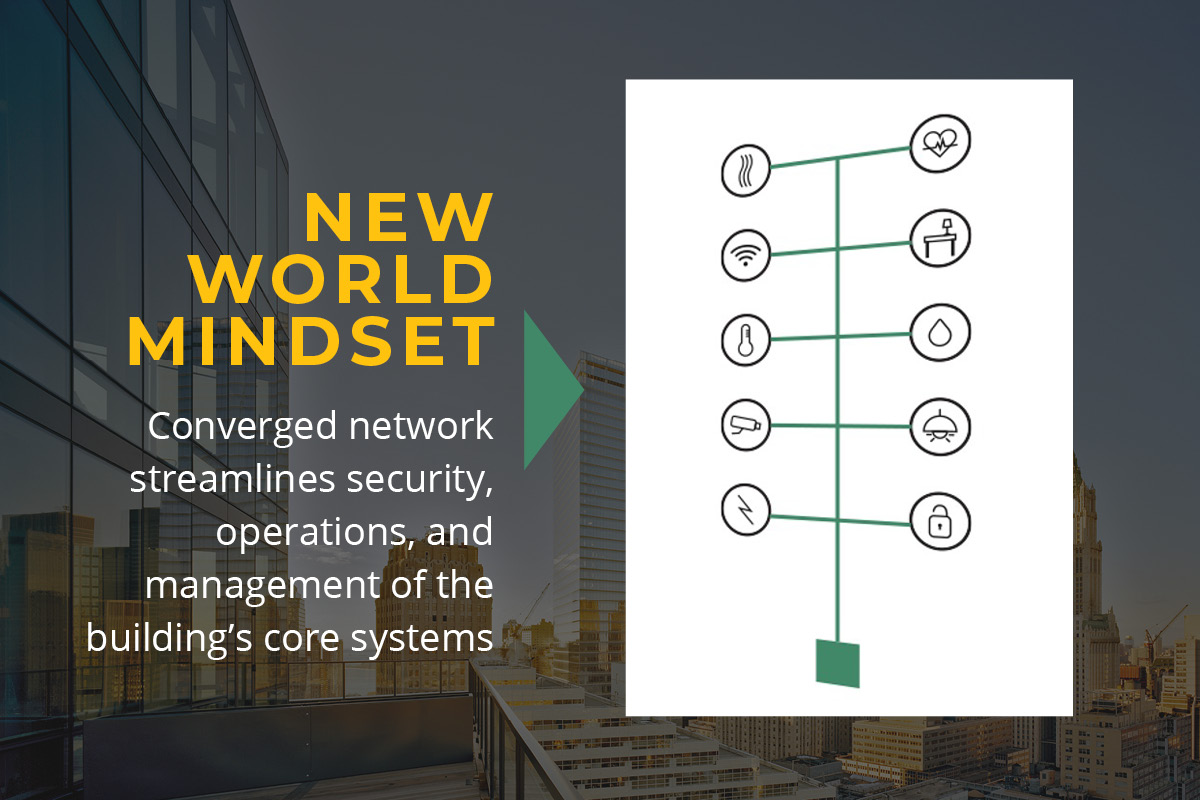
The foundation of a secure, sustainable, Future-Ready smart building is a well-designed fiber-optic network, which we refer to as the Digital Foundation. We’ve put together a 4-step guide for builders, owners, developers, and architects to understand the fundamental stages of planning, engineering, and constructing a secure, scalable Digital Foundation.
The 4th Utility
Just as critical as electricity, water, and gas, your property's internet connectivity should be viewed as “the fourth utility.”
Good internet is no longer a luxury. Having connective infrastructure (including ISP services into your building from the street or manhole) is essential. Even if the developer or client doesn’t want to integrate all of the technologies today, investing in the network infrastructure at the start will allow them to easily and cost-effectively upgrade new features into their building, and will make the property more attractive to future buyers or tenants.
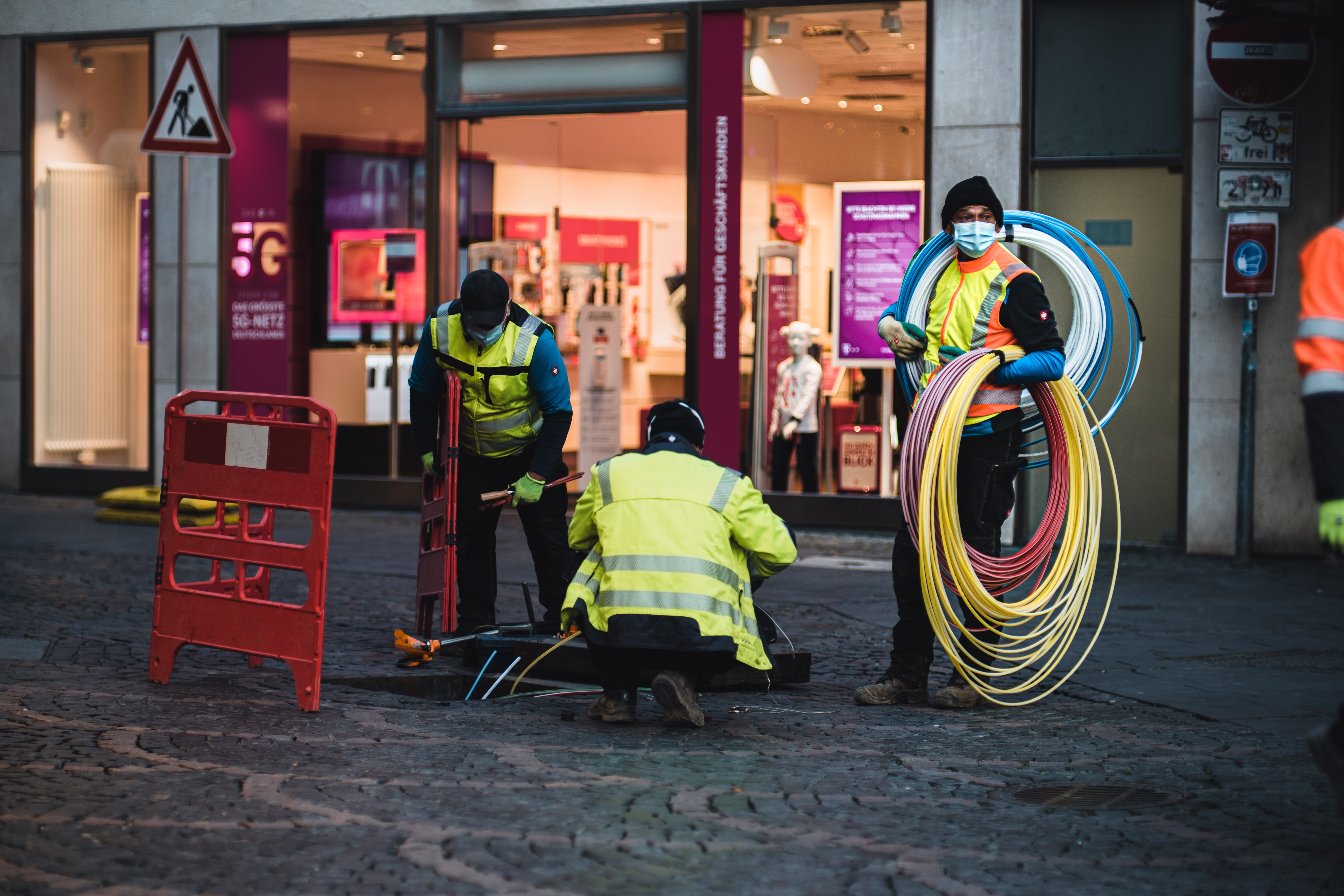
The best wireless is wired: in order to have strong wireless connections, you need to place the wires that connect the antennae in the most strategic places.
The Digital Foundation: Think Big to Small
A Digital Foundation can be designed for any type of project, no matter the scale. We approach an office or residential project with the same Future-Ready mindset that we would bring to large-scale commercial or mixed-use developments. This scalable network adds value at every stage of a property’s life cycle; whether renovating a historic townhome, developing a new building, or repositioning an existing office space.

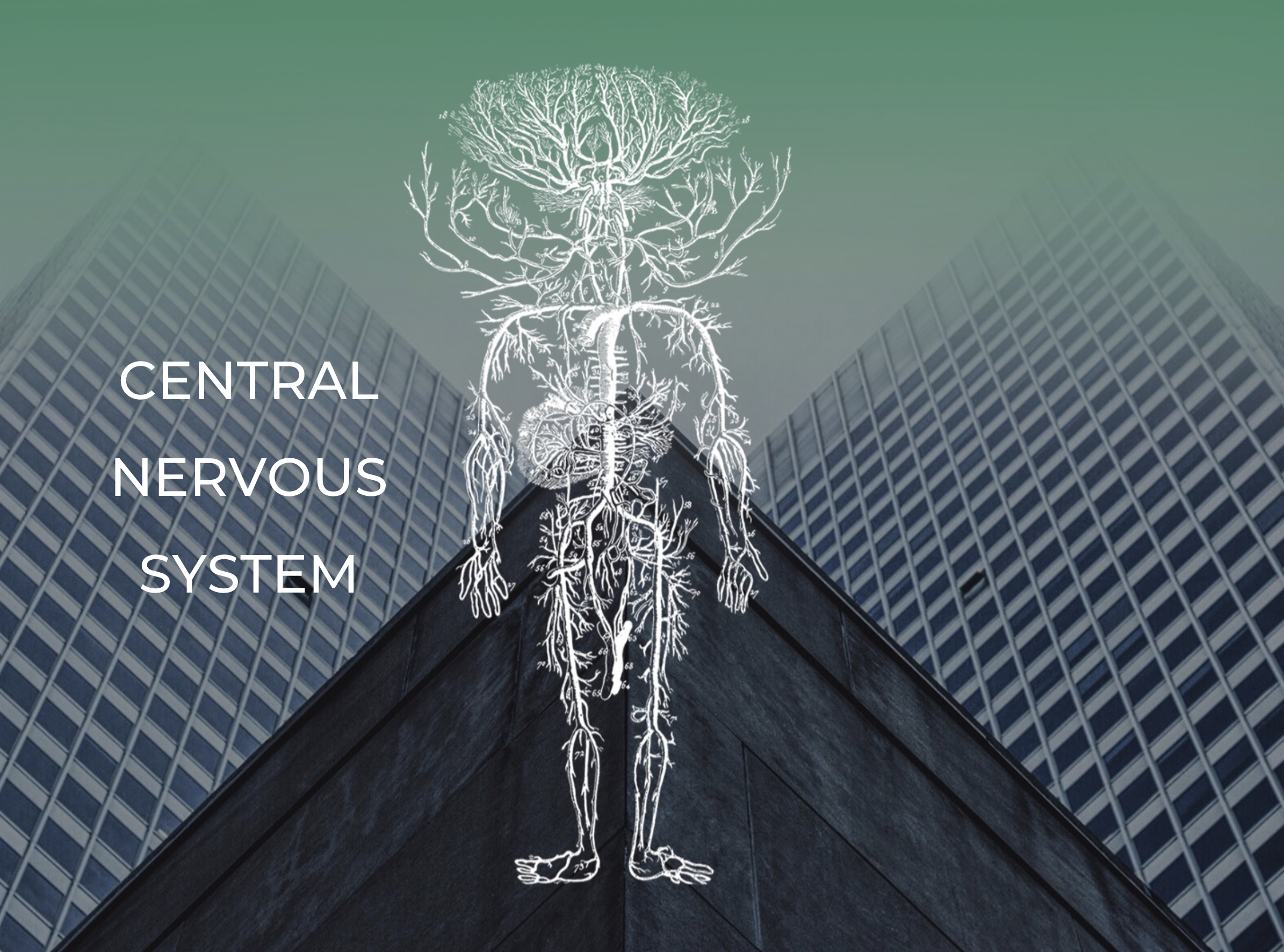
Think about your building’s network as the central nervous system into which all other systems connect. This includes all BAS and BMS (including PoE lighting, HVAC, energy management & monitoring, access control, alarm, surveillance, water and moisture sensors), communications, and entertainment.
The veins and arteries of this central network are the fiber optic lines that run vertically throughout the core of your building and the copper Category (CAT) cables that branch out horizontally behind walls and in ceilings. An expert technology integrator will design an efficient, secure, and integrated IP network that will connect every system and power many of the endpoint devices in your building.
By integrating all systems into a single, robust network, your smart building will be easier to secure and more cost-effective to manage. This means you will need a smart building consultant or Technology General Contractor (TechGC) to be a part of the project from the very beginning.
Step 1: Hire a Technology General Contractor
The most effective smart building technology integration flows right along with planning the development of your property — and remains in place on Day-2 after the building opens. Bringing a Technology General Contractor into the early core and shell planning stages is essential to building a strong digital foundation for your development.
When your TechGC is part of the initial plan set and party to your high-level planning meetings, they are able to ensure direct access and clear communication between integrator, architect, engineer, electrician, and other tradespeople. This guarantees that the critical infrastructure of the building — electrical, heating, cooling, access control systems — is always front and center.
Step 2: Make Network Security Your Top Priority
A poorly designed network is a liability. From making your building more susceptible to cyberattacks to miscommunication between systems, a hastily-planned network can debilitate your operations. In order to protect your investment, building, and residents, security must be your top priority.
Just because a building is “smart” does not mean that it has to be connected to the internet. A network can connect systems in a building, but the network does not need to be connected to the internet (outside world) to function. In fact, when building systems connect to an internet-powered network, your systems become vulnerable to outside intruders and hacking. The safest way to run a smart building is to keep it ‘off the grid’ while utilizing technologies to simplify operations and management.
Designing an extensible, converged network at the beginning of the project makes your smart building easier to secure. This approach reduces the building’s attack surface; by creating a single point of access, there are fewer “doors” to protect from hacks and attacks.
Careful selection of firewall, network switches, wireless access points (WAPs), and other network components further ensures network security. Your property will also need continued support and optimization of these systems once the building is occupied; this includes ongoing management of all devices, their licenses, software updates, and patches.
Step 3: Design Your Smart Building for the Long Term
Technology is going to continually change and improve — your residents and tenants will expect your building to seamlessly support these updates.
Even if you don't decide to integrate all of the technologies today, investing in your network infrastructure at the start will allow you to easily and cost-effectively upgrade your building in the future.
Designing a robust network, running the right types and amount of cable (taking redundancy into account), and building physical access points will give you the foundation to support technology changes without requiring costly and disruptive upgrades in the future.
 2" flexible duct embedded in concrete slab connects electrical closets and residential units.
This photo shows a conduit embedded in the concrete slab, extending from the Equipment closets into cabling enclosures inside of each apartment. This is the highest level of future-proofing because it allows the responsible technology partners to run new cabling from point to point without the need to open walls or ceilings or worry about fire-stopping. This infrastructure is what allows for minimally invasive upgrades in our definition of a Future-Ready Building.
Step 4: Simplify the Control
As we get to commissioning, we get to see the vision of the Technology Master Plan come to life and the controls in action. This is where Techmenity’s AV experience and understanding the needs of the end-user are critical. Here, we’re acknowledging the relationship between the technology and the people who are going to be using it. If it’s not easy to use, you’ve missed the point.
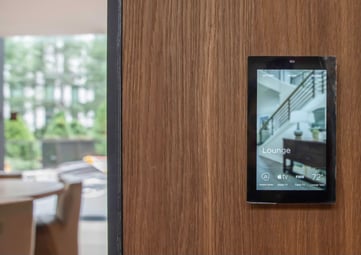 Single Pane of Glass (SPoG) is the user interface that provides control of multiple systems from one screen. Creating a SPoG for access control, security, HVAC, lighting, etc. results in centralized operation and unification of a facility’s ecosystem.
Next Steps: Implementation & Design Integrity
So, now you’ve laid the Digital Foundation for a truly Future-Ready smart building. But carrying the Technology Master Plan throughout the construction and value-engineering phases to ensure all systems will perform as intended upon project delivery requires both a new role and a new mindset within the construction industry.
Schedule a call or follow the links below to read more about the role of the Technology General Contractor and the importance of a Future-Ready Mindset.
This is Part III of our three-part series on Future-Ready Buildings:
Part I: Smart Isn't Enough
Part II: Replacing the Old World Mindset